How to Clean a 19L Water Dispenser at Home, Step by Step
Taps, drip tray, bottle seat and reservoir, plus how often to clean.

Drinking water can taste or smell different because of a change in the source or treatment, warm or sunlit storage, a bottle or cap that has picked up an odour, or a dispenser that needs cleaning. Check whether the change is sudden, inspect the bottle, cap and seal, review storage and clean the dispenser. If the smell is chemical or the water looks wrong, stop drinking it and contact your supplier. Taste and smell cannot show that water is safe.
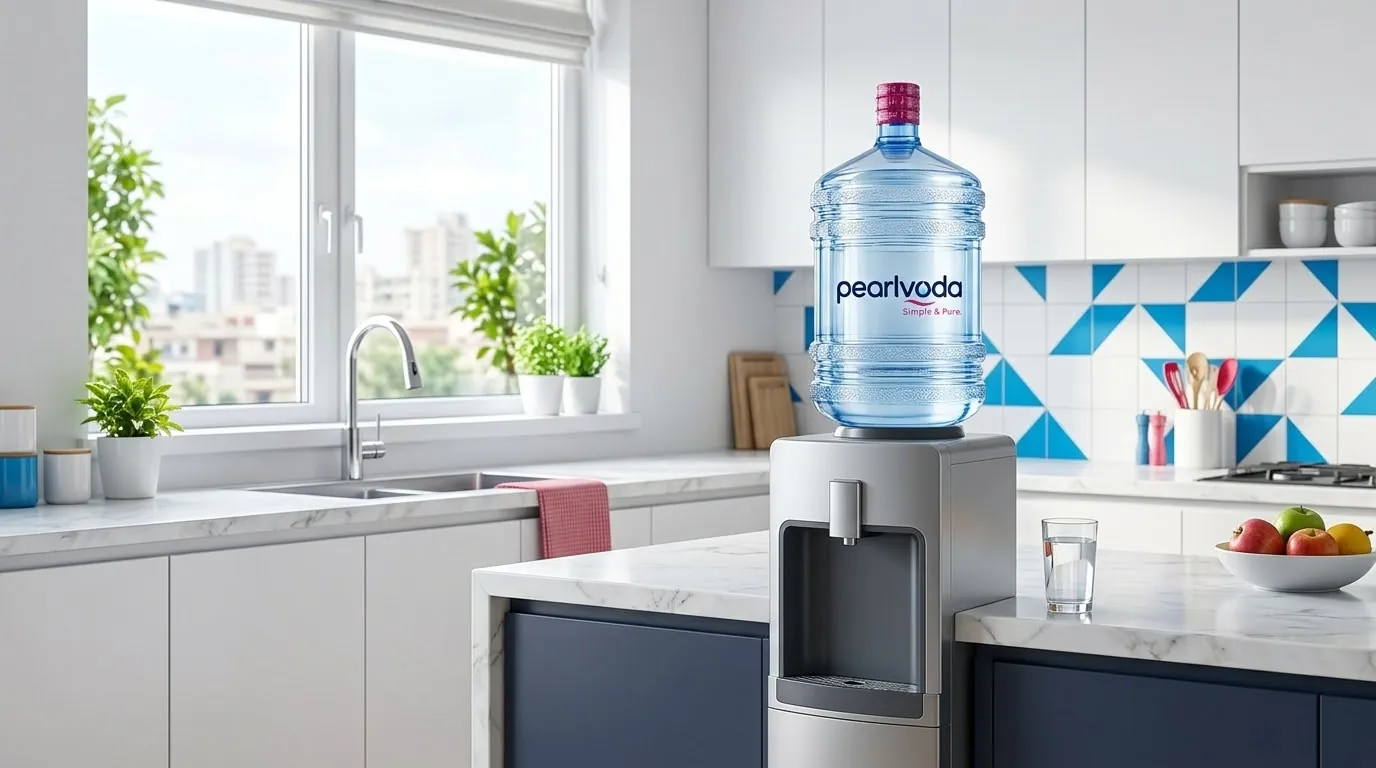
Water that suddenly tastes or smells different should not be waved away as “just the weather”. Often the cause is minor, such as a dispenser tap that has not been wiped or a bottle left near a hot window. Sometimes it points to a real problem upstream. Tastes and odours are among the main ways people judge their drinking water, and WHO notes that they may sometimes indicate pollution or a fault in treatment or storage (WHO drinking-water guidelines, chapter 10).
This guide explains the likely causes, what you can safely check at home, and when to stop drinking and call your supplier. It is general information, not a diagnosis of any particular water.
These are possible explanations. Without testing, none of them is a confirmed cause.
Water can smell of chlorine, earth, mustiness, chemicals or something stale. Chlorine-like smells may relate to disinfection, and earthy or musty smells are commonly linked to natural organic compounds or biological activity. But the same smell can have different causes, and different problems can smell alike.
Smell cannot tell you which contaminant is present, or whether water is safe. Some harmful contaminants have no smell, while some harmless ones smell strongly. Treat an unexplained smell as a reason to investigate, not as a diagnosis. If the cause cannot be identified from what you can see and smell, the honest answer is that it needs testing or a supplier’s check.
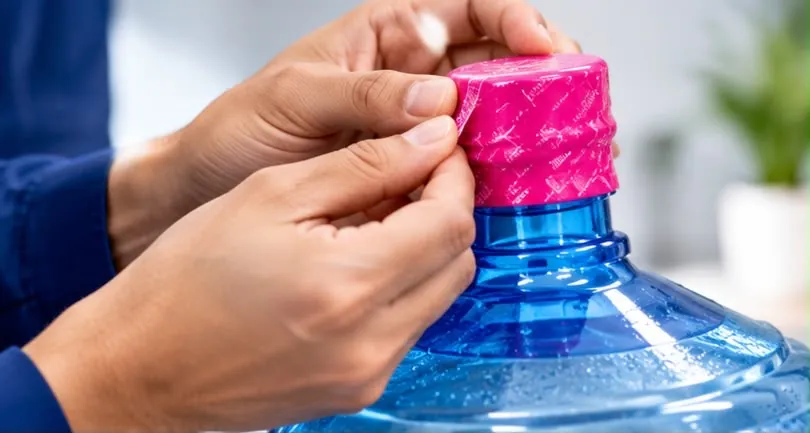
Important: a visual check, taste or smell cannot confirm that drinking water is safe. They can only tell you when something has changed.
Yes. A bottle can be fine while the dispenser alters the taste. Residue around the tap mouth, a dirty drip tray, a neglected bottle seat or stale water in the reservoir can all add an off taste or smell, and a dispenser that has been unused for weeks is more likely to have a problem.
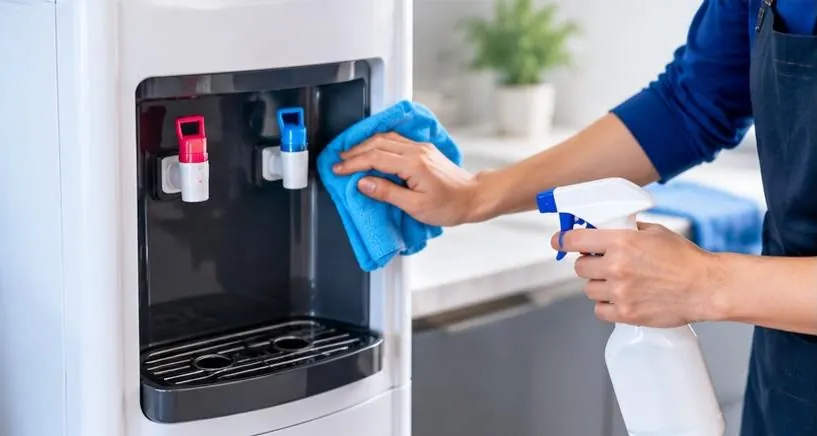
Our step-by-step guide covers the full method: how to clean a 19L water dispenser at home.
Stop drinking the water, and use another source you know is safe, if you notice:
Keep the bottle, note the delivery date and contact your supplier. If the issue involves your tap water or building supply, contact the relevant local water authority. Do not taste suspicious water to investigate it. If anyone feels unwell after drinking it, seek medical advice.
A sealed bottle or good appearance does not guarantee safe water, so a sound supply depends on the supplier’s process as well as your own habits.
Pakistan’s own water authorities have repeatedly flagged water-quality concerns, and PCRWR publishes quarterly bottled-water monitoring reports on pcrwr.gov.pk. Check what is available about any supplier you consider. Useful questions:
More detail is in our guide to choosing a drinking water delivery service in Karachi.
Pearl Voda is a local 19L drinking water delivery option for homes, offices and businesses in selected areas of Karachi. We describe our treatment process and typical composition on the Our water page. These are our own statements, so please check them against what is printed on your bottle, and read about what TDS does and does not tell you. Check delivery areas to see whether we serve yours.
Common reasons include a change in the source or treatment, warm or sunlit storage, a bottle or cap that has picked up an odour, or a dispenser that needs cleaning. Taste alone cannot tell you which, so compare a fresh bottle with the dispenser and storage ruled out, then tell your supplier.
Odours can come from treatment chemicals, natural organic matter, storage, plumbing, the container or the dispenser. A smell shows that something changed, not what it is, and it cannot show whether water is safe.
Yes. Film or residue around the taps, drip tray and bottle seat can add an off taste or smell even when the bottle is fine. Clean it as the manual directs.
No. Water can look clear and still contain microbes or dissolved chemicals. Only laboratory testing and proper quality control can confirm safety.
Stop using that bottle, keep it sealed or closed, use another safe source of drinking water and contact your supplier with the delivery date and a description. Do not taste the water to investigate.
Ask your supplier for quality documentation, check what the label states, and use an accredited laboratory for testing when needed. Home checks of taste, smell and appearance are not tests of safety.
A new taste or smell is a signal to look closer. Check whether it is sudden, inspect the bottle and seal, review storage, clean the dispenser and tell your supplier. If it is a chemical smell or the water looks wrong, stop drinking it until it has been assessed. Take unexplained changes seriously, and never rely on taste, smell or clarity as proof of safety.
Contact Pearl Voda to check delivery availability for your area.
Website: pearlvoda.com · WhatsApp: 0300-1732751